

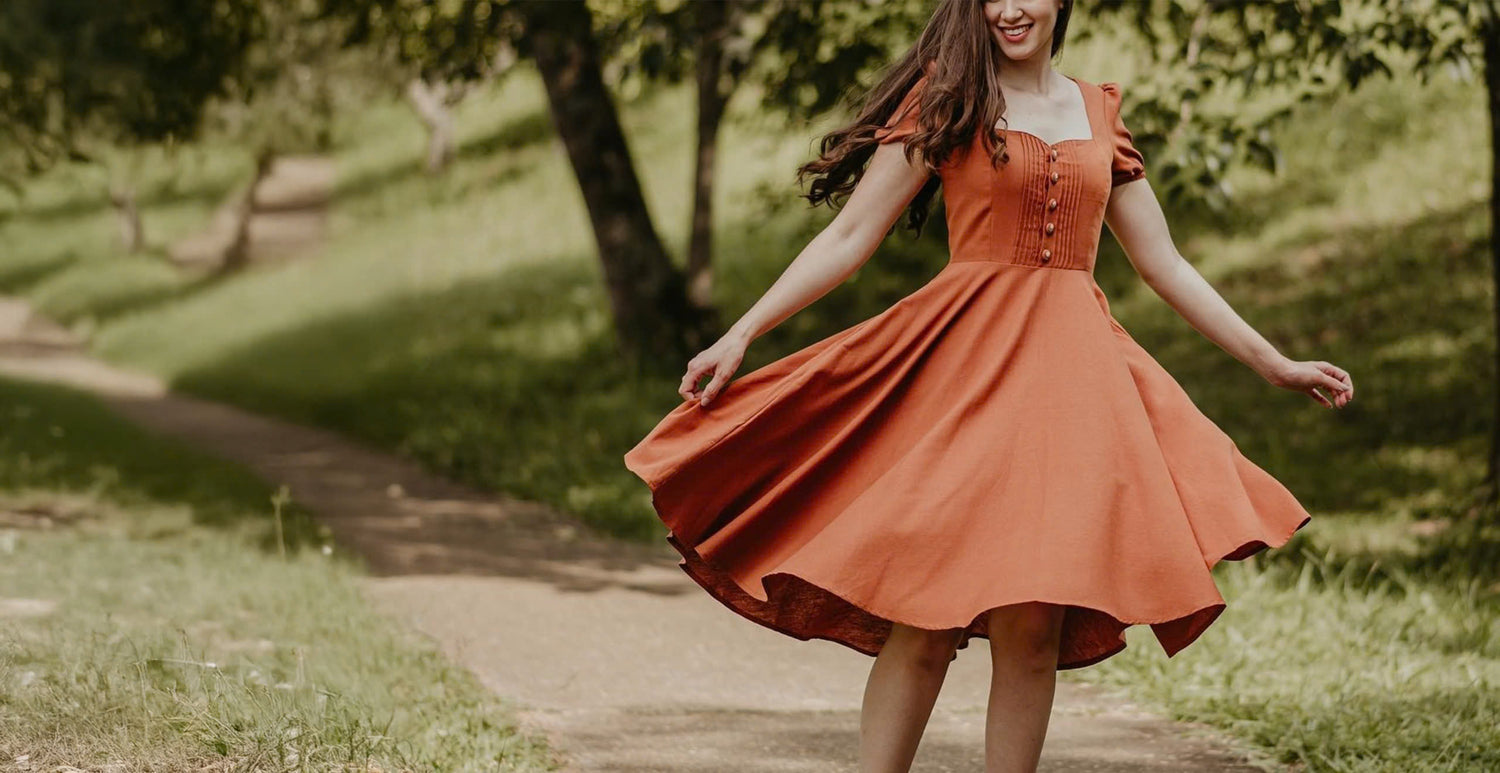



Clothing

Long Sleeve Linen Shirt, Button Front Linen Top

Short Sleeve Linen Wrap Top, Linen Wrap Crop Top

Pleated Linen Camisole Tops, Linen Tie Shoulder Top

Oversized Linen Shirt, Relaxed Linen Loungewear Shirt

Puff Sleeve Linen Top, Square Neck Linen Blouse

Oversized Linen Tank Top, Sleeveless Linen Top

V Neck Sleeveless Linen Top, Sleeveless Linen Vest Top

Strapless Linen Peplum Top, Longline Peplum Tube Top
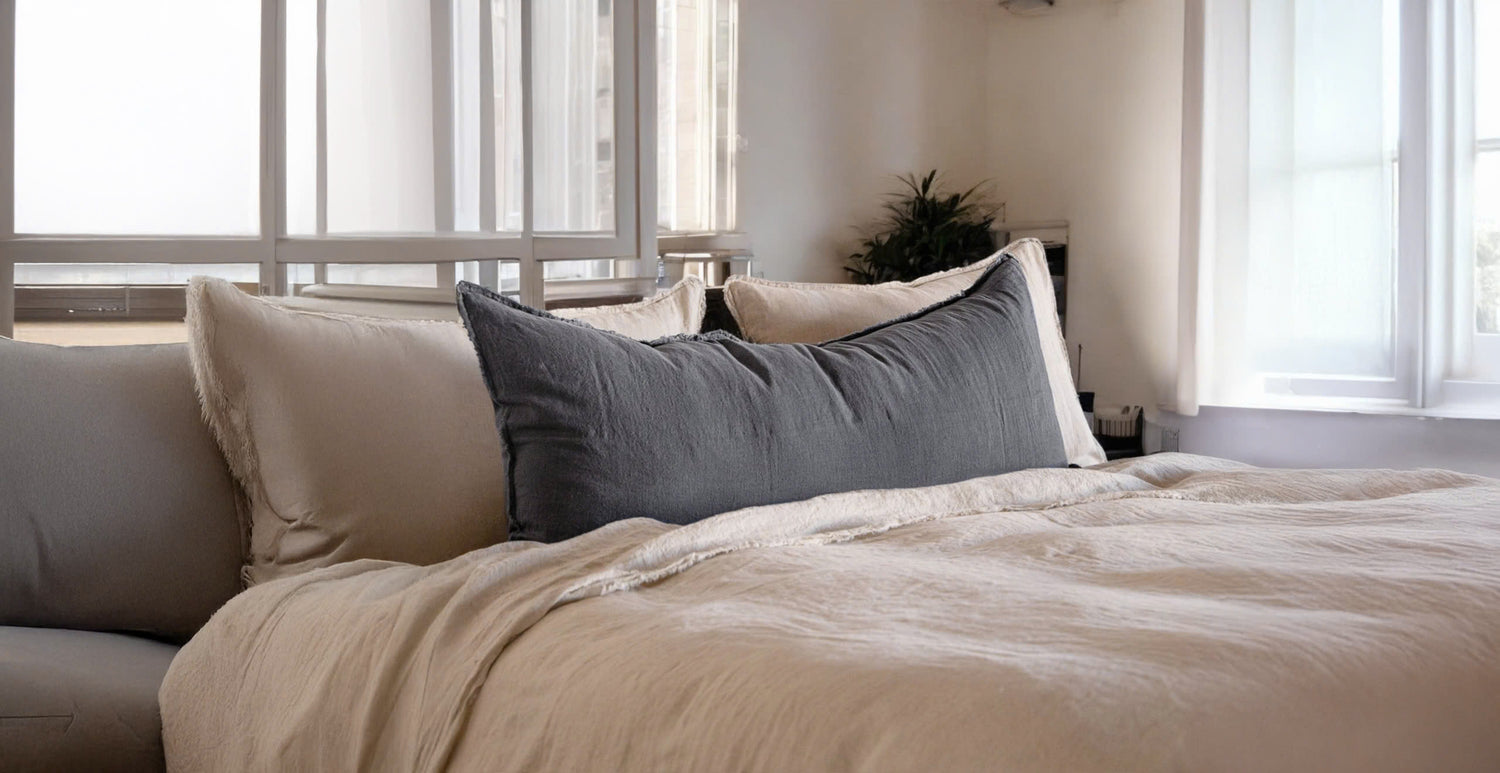
Bedding

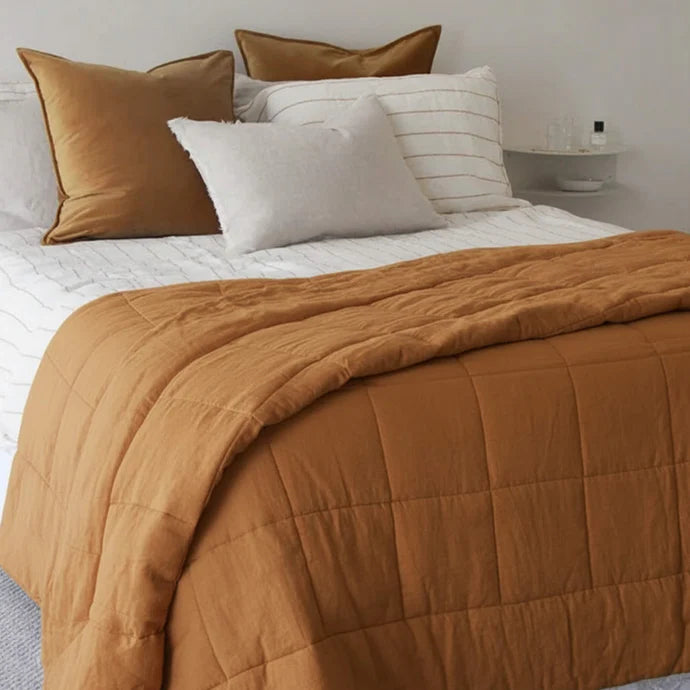
Linen Quilted Blanket, Lightweight Quilted Blanket
Christmas

Quilted Christmas Stockings, Linen Holiday Stocking

Christmas Tree Skirt, Vintage Christmas Tree Skirt

Linen Christmas Stockings, Personalized Christmas Stockings

Personalized Christmas Stockings, Linen Holiday Stocking

Linen Christmas Stocking, Linen Xmas Stocking
Home Decor

Linen Pet Mat, Two Sided Dog Mat

Vintage Linen Napkins, Custom Linen Napkins

Natural Linen Curtains, Grey Linen Curtains

Linen Slipcover Sofa, Linen Couch Covers Sofa

Ruffle Linen Chair Slipcover, Dining Chair Linen Covers

Embroidery Linen Apron, Cross Back Linen Apron
Reviews

Melissa Nane
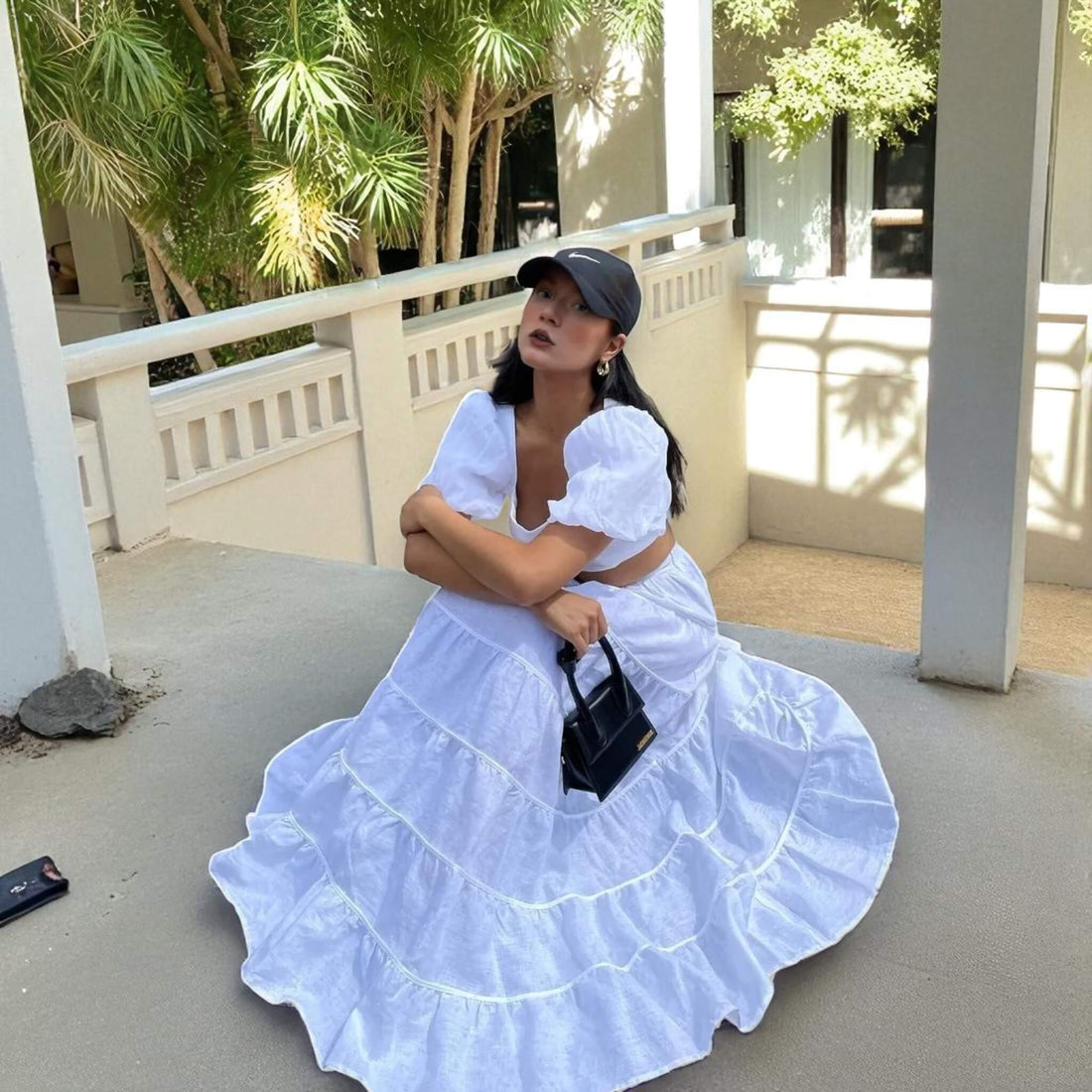
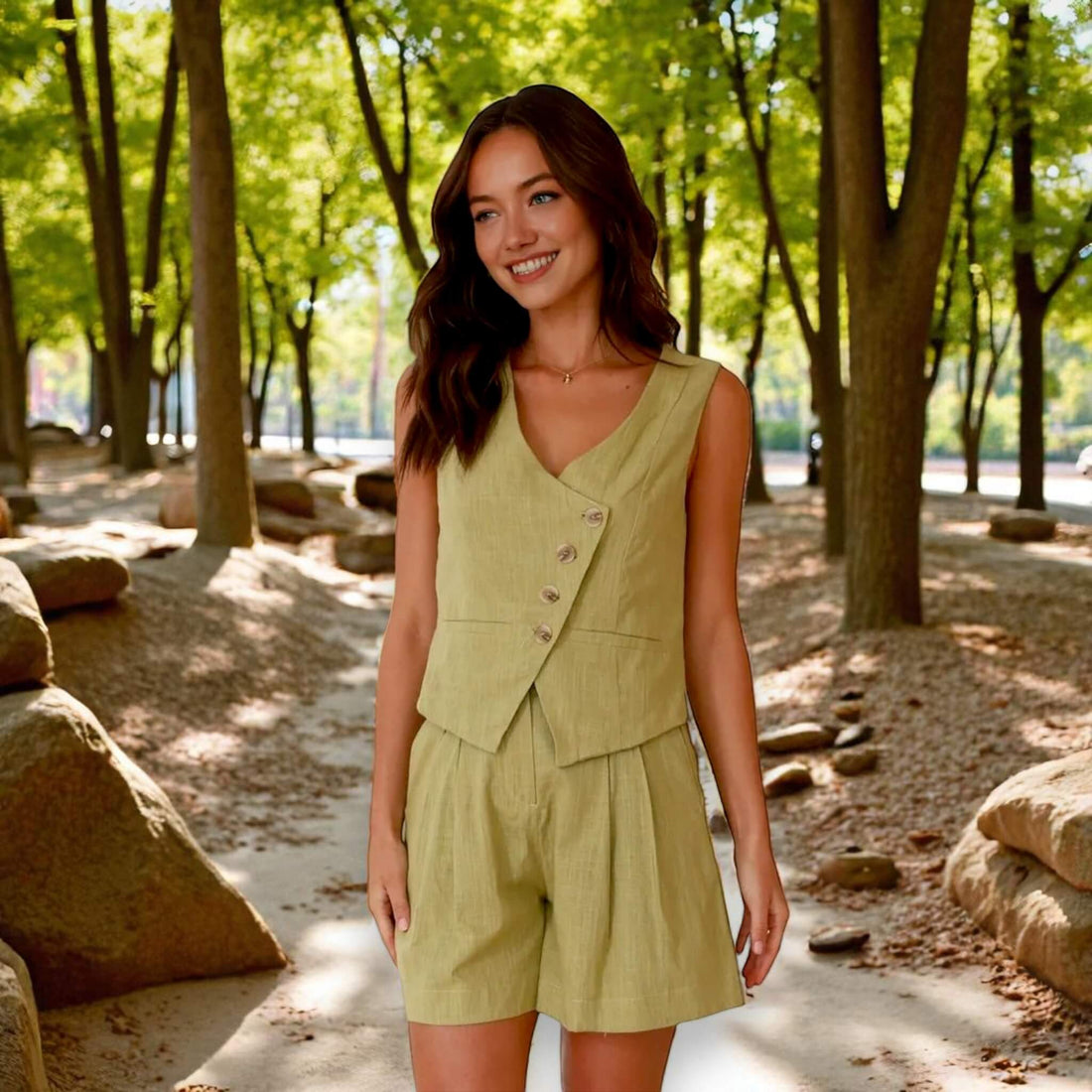
I’m very happy with this purchase, the quality, the craftsmanship of the vest and the skirt - makes it very very elegant! The skirt has a zipper on the side, very pretty! I asked for pockets and they added it! Order it! send your measurements! It took a few weeks to received it but I loved it ! Thank you - I will buy more soon ❤️

Kimberly Bilbrey
Absolutely stunning dress! Arrived on time for a wedding date (almost a week early!) the color is gorgeous and it fit perfectly! High quality material and it was comfortable all throughout the night! Highly recommend this seller-be sure to take the time to send your measurements-the dress fit like a dream!

Denise De Paoli
The dress I ordered arrived yesterday and it's really well made, the material is good quality. The vendor told me immediately about a slight delay that was happening because of a problem with the original batch of linen. I appreciate the sincerity and that the vendor waited for the supply of better material. Really happy with my purchase. Just needs a bit of ironing and minor tailoring (I ordered it a bit bigger than my size). Used it on my wedding day and it was gorgeous!

Bella Allen
The picture dosent do justice how beautiful the dress. I highly recommend it.😍

Anna
Beautiful dress, fits like a glove. Color is vibrant. Its quite structured which I like. I asked for thinner (2cm) straps and pockets which are perfect. The material is a bit thicker/warmer than I anticipated but it does help it maintain structure. I needed it to arrive in time for a trip and had to pay for rush shipping in the end so I recommend ordering at least 6 weeks before you need it unless you want to pay extra for shipping costs.



Latest posts

How to Wash Linen Without Shrinking and Keep It Soft
If you love linen, you’ve probably heard the horror stories—shirts shrinking or sheets turning scratchy after one bad wash. In this guide on how to wash linen from Lush Linen Threads, you’ll get a clear routine for the first wash, safe temperatures and gentle cycles, the right detergents, and when to use machine vs hand wash. You’ll also see how to dry without over-shrinking and fix common issues like stains, yellowing, stiffness, and mild shrinkage so your pieces stay soft for years. Why Linen Needs Its Own Washing Rules To really understand how to wash linen, you need to know how it behaves in water—why “Dry Clean Only” labels appear, how flax fibers shrink and soften, and why the first wash sets the tone for every wash after. These basics follow standard textile care principles for natural bast fibers like flax. The Dry Clean Only Myth You’ll often see “Dry Clean Only” on linen tags, especially from brands seeking to protect themselves against liability. From a fabric point of view, however, pure linen loves water. Unless your item has structural tailoring (like lined blazers) or delicate trims, a careful water wash often works better long-term than aggressive dry cleaning solvents. How Flax Fibers Behave To understand why linen behaves the way it does, look at its source: the flax plant. Flax produces "bast fibers" that are roughly 30% stronger than cotton, giving linen its incredible durability. This intrinsic strength is why your grandmother’s linen tablecloths likely survived decades of use. However, these fibers have low elasticity—they don’t bounce back like synthetic knits. This is why linen wrinkles easily and why it can permanently crease if crushed in an aggressive spin cycle. The best news? Linen is highly absorbent. It soaks up water readily during the wash, allowing the fibers to relax and bloom. That absorbency is why high-quality linen becomes smoother and more comfortable the more you wash and wear it. Why the First Wash Matters The first wash is critical. It removes industrial sizing and allows the fibers to "relax," which is where you see the typical 3–5% natural shrinkage. Routine: Wash on a gentle cycle at 30–40°C. Color-Setting Hack: For deep colors like Navy or Charcoal, try soaking the item in cold water with a cup of white vinegar or a handful of salt for 10 minutes before the first wash. This helps lock in the dye. Setting Up Each Linen Wash the Safe Way You don’t need a complicated routine. What matters most is staying in the “Safe Zone,” whether you are pre-washing linen for the first time or caring for pieces you already wear every week. The temperature and spin ranges below are based on widely recommended care guidelines for pure linen. The Linen Care Cheat Sheet Linen item Water temp (°C / °F) Cycle & spin Detergent type Drying method Typical wash frequency Everyday clothes 30–40°C / 86–104°F Delicates, low spin ≤600 Mild liquid, pH-neutral, color-safe Line dry or low tumble, remove damp Every 3–4 wears (more in heat) Sheets & duvet set 30–40°C / 86–104°F Delicates, low–med spin Mild liquid, pH-neutral, no optical brighteners. Low tumble or line dry, finish on the rack About once a week Undyed white bedding 40–60°C / 104–140°F* Gentle, med spin Mild liquid; occasional oxygen bleach only Low tumble or line dry in shade Weekly, with occasional hotter wash Table linen/napkins 40°C / 104°F Normal or gentle, med spin Stain-focused, non-chlorine Line dry or low tumble After messy meals/events Treat this linen care cheat sheet as a general guide. If your care label ever contradicts these ranges, follow the label first. Preparing Linen Before Washing A few seconds of preparation can add years to your linen’s life. Friction is the enemy of a smooth finish, so always turn your garments inside out before washing. This simple step acts as a shield, protecting the outer color and any delicate prints or embroidery from rubbing against the drum. Next, play defense against snags: fasten every zipper, button, and hook so they don't scrape against other fabrics. For your most delicate pieces—think strappy camisoles, loose-weave knits, or items with lace trims—a mesh laundry bag is non-negotiable. Finally, be mindful of your load mix. Avoid washing light, airy linen with heavy-duty items like denim jeans or bulky towels, which can act like sandpaper and cause surface fuzzing (pilling) on your fine linens. Temperature, Cycle, and Spin Temperature: Stick to 40°C (104°F) or cooler for most linen. Once you go above about 60°C (140°F), you risk “thermal shock,” which can lock the fibres into a permanently shrunken state. Spin: Keep the spin low, ideally under 600 rpm. Very high spin speeds press creases so deeply into the fabric that even a good steam iron struggles to remove them. Choosing the Right Detergent Linen doesn’t require expensive specialty soaps, but it is picky about chemistry. Your best bet is a mild, liquid detergent that is pH-neutral. Liquid formulas are preferred because they dissolve instantly; harsh powders often leave behind gritty crystals that can get trapped in linen’s open weave, acting like tiny abrasives. Be wary of "whitening" promises, too. Avoid chlorine bleach at all costs, as it weakens the flax fibers and causes yellowing. Similarly, skip detergents with Optical Brighteners (OBAs) for your dark or colored linens. While OBAs make whites look glowing, they leave a coating that can make rich colors look dull or grey over time. A conservative dose—about ¼ cup (60ml) for a standard load—is all you need. How to Wash Linen in the Machine and by Hand When you know the right steps, washing linen in both the machine and by hand is actually very simple. This section walks you through a safe machine routine for everyday loads and shows you when a gentle hand wash is the better choice for delicate pieces. Machine-Washing Linen Safely at Home Most linen lovers prefer the convenience of machine washing, but still wonder how to wash linen properly in a regular machine. Here is the safest workflow: Sort Smart: Separate by color. Load loosely; do not overstuff the drum (linen needs room to swim). Select Settings: Cool/Lukewarm water + Gentle Cycle. Add Detergent: Use a small amount of liquid detergent. Skip Softener: Commercial softeners coat the fibers, reducing absorbency. Prompt Removal: Remove items immediately after the cycle ends to prevent wrinkles from setting in. In our care tests, this single habit made the biggest difference in how crisp or crushed linen looked straight out of the machine. How to Hand-Wash Linen For vintage pieces or ultra-fine gauzes: Fill a clean sink with lukewarm water, around 30–40°C (86–104°F). Dissolve a teaspoon of mild detergent. Submerge the item and gently swish. Do not scrub or twist. Soak for 10–15 minutes. Rinse with cool water until no suds remain. Press the fabric against the side of the sink to remove water. Never wring it out like a dishrag. Roll it in a white towel to absorb excess moisture before hanging. When to Choose Hand Wash If your item has intricate embroidery, lace trims, or is a loose-weave structure, hand washing is safer. For your standard linen wardrobe, machine washing is perfectly fine and actually helps soften the fabric faster than hand washing. Drying, Softening, and Wrinkle Care for Comfortable Linen Drying is the step that decides whether linen stays soft or turns stiff and over-creased. In this part, you’ll see how to dry it gently, fix scratchy fabric, and choose between a natural wrinkle look or a smoother, pressed finish. The 80% Dry Rule Drying is where most linen damage happens, but you can avoid it by following the 80% Dry Rule. Whether you use a machine or a clothesline, stop drying while the fabric is still cool to the touch and slightly damp—around 80% dry, not bone-dry. For line drying, shake the wet linen to loosen wrinkles, smooth the seams by hand, then hang in a shady, breezy spot. If you use a dryer, keep it on low heat or Air Fluff and treat it as a helper, not the final step. Take items out while they still feel humid; letting linen bake until it is bone dry makes the fibers brittle and locks in hard creases. In our experience, pulling pieces out just before they feel fully dry is the easiest way to keep them soft and comfortable. Fixing Stiff or Scratchy Linen It’s frustrating to pull fresh linen from the wash and find it stiff or crunchy instead of soft. The problem is usually mineral deposits from hard water or trapped detergent, not the fabric itself. Add about ½ cup (120 ml) of distilled white vinegar to the fabric softener compartment or final rinse. Vinegar works as a natural water softener, dissolving mineral buildup and soap residue without leaving a scent. Paired with a smaller dose of detergent in your next wash, this simple rinse usually restores linen to its natural, breathable softness. Natural Wrinkles vs Pressed Finish At Lush Linen Threads, we embrace the "lived-in" look—that soft, rumpled texture that signifies high-quality natural fiber. However, if you need a polished look, steam is king. A garment steamer allows the fibers to relax and plump up, removing creases without flattening the beautiful texture of the weave. If ironing, always do it while the fabric is damp. Troubleshooting Linen Stains, Yellowing, and Unshrinking Even with the right routine, stains, yellowing, and shrinkage can still happen. This section gives you quick fixes to lift marks, brighten tired linen, and gently ease slightly shrunken pieces back into shape. Stain Rescue Map for Common Linen Spills Speed is your best friend when you are dealing with stains on linen. Before using any stain remover, test it on a hidden seam to make sure it doesn’t change the color or texture. Oil/Grease: Sprinkle cornstarch or baby powder on the spot to absorb the oil. Let it sit for 15 minutes, brush off, then wash. Red Wine/Coffee: Blot (don't rub). Cover with salt or baking soda to draw out the liquid. Rinse with cool water. Why Linen Turns Grey or Yellow and How to Fix It If your crisp white linen is turning yellow or your colored pieces look dull and gray, it’s usually a sign of chemical buildup from too much detergent, chlorine bleach, or drying in harsh sunlight. To revive it, switch to a milder detergent, cut your dosage in half, and avoid bleach. Use an oxygen-based brightener for whites and an occasional vinegar rinse to strip away residue, and dry in the shade. A few careful cycles with this gentler routine are often enough to reverse the damage. Can You Unshrink Linen That’s Too Small? If you accidentally washed it hot, try this: Soak the garment in warm water with a generous amount of hair conditioner or baby shampoo for 30 minutes. Gently squeeze out water (don't rinse thoroughly). Lay it flat on a towel and gently stretch the fabric back to the desired size while wet. Weigh down the edges with heavy books while it dries. Once you understand how to wash linen—from the first wash and safe temperatures to smart detergent choices, gentle drying, and quick fixes for stains, yellowing, and stiffness—caring for it becomes simple. Crafted from high-quality European flax, our pieces are pre-washed to ensure a softer handfeel and minimal shrinkage. Rigorously tested to withstand regular home laundering, these effortlessly soft collections are designed to be worn, loved, and washed on repeat. Discover the difference with Lush Linen Threads.
Learn more